Every rider has a favourite section of the Lions Karoo to Coast.
For many, it is Kom se Pad.
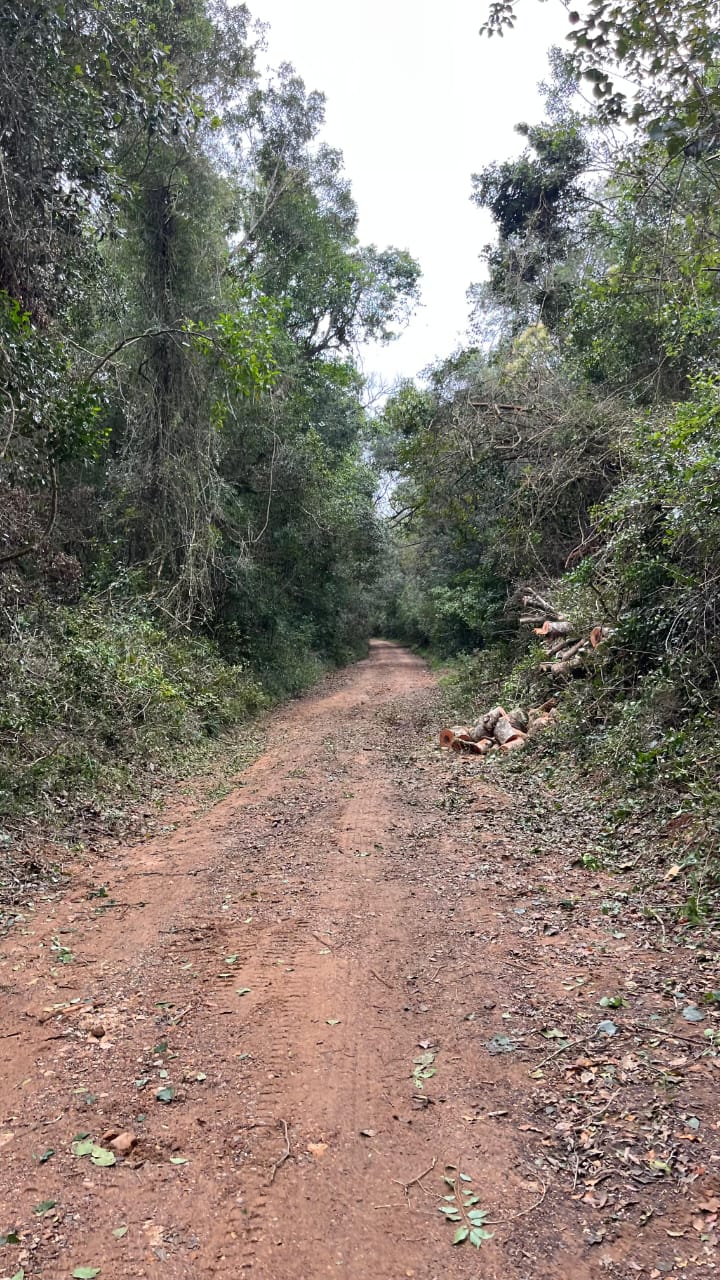
As the route winds beneath towering Outeniqua Yellowwood trees, through tunnels of indigenous forest alive with birdsong, something changes. Riders instinctively slow down, breathe a little deeper and simply take in the beauty around them.
Yet few realise they are riding through a place rich in history.
Long before mountain bikes rolled beneath its ancient canopy, Kom se Pad was an ox-wagon route used by the woodcutters who lived deep within the Knysna Forest. Local folklore suggests the name originated from the phrase “om dorp toe te kom”—the road used to “come to town.” Others believe it takes its name from the valley known as Kom se Bos, through which the road winds. Whatever its true origin, the name has become synonymous with one of the Garden Route’s most treasured forest roads and the K2C.
These forests have inspired generations of conservationists, foresters, artists and writers.
Perhaps none more famous than South African author Dalene Matthee, whose internationally acclaimed Forest Novels—Circles in a Forest, Fiela’s Child, The Mulberry Forest and Dreamforest—introduced millions of readers around the world to the stories of the Knysna woodcutters, the majestic forest elephants and the fragile beauty of the indigenous forests. Her deep love for the Knysna Forest helped spark a renewed appreciation for its cultural and environmental significance, and her work continues to inspire visitors to experience these forests with respect and wonder.
Today, Kom se Pad remains one of the most iconic sections of the Lions Karoo to Coast.
It is also the workplace of Klaas Havenga, Senior Section Ranger for the Knysna Section of the Garden Route National Park, who has dedicated nearly three decades of his life to protecting these forests.
For Klaas, conservation is far more than a profession.
“Being a ranger is a calling,” he says.
Having joined the Department of Forestry in 1996, Klaas says some of his greatest rewards have been watching damaged landscapes recover—seeing rehabilitated forests flourish once again, fynbos regenerate after controlled burns and encountering the wildlife that still calls these forests home.
Even something as simple as seeing a mongoose cross the road, he says, makes his day.
Following the devastating floods earlier this year, Klaas, together with his wife Tammy, the SANParks team and the SANParks Honorary Rangers, once again answered that calling.
Large sections of Kom se Pad were blocked by fallen trees while floodwaters washed away parts of the road. For many residents living in Gouna, this became the only access route to Knysna.
Together with the local community, they spent days cutting through fallen trees, removing debris and reopening access before beginning the long process of restoring this remarkable forest road.
Tammy Havenga describes Kom se Pad as simply “magical.”
She knows a cyclist who has ridden the route for more than thirty years and calls it his “happy place.”
Another photographer describes it as the “Portal to Paradise.”
Hidden beneath the forest canopy are ancient Yellowwood trees, giant tree ferns and wildlife that many riders never realise surrounds them—including the elusive Knysna elephants that inspired Dalene Matthee’s novels and the Cape leopards that still quietly roam these forests.
As riders pass through Kom se Pad this September while riding the 25th edition of the Lions Karoo to Coast Challenge, we encourage everyone to take a moment to appreciate not only its extraordinary beauty, but also the generations of people who have cared for it…
Tammy Havenga leaves every rider with one simple message:
“You are in the heart of the forest. Respect it and enjoy it.”